
 admin
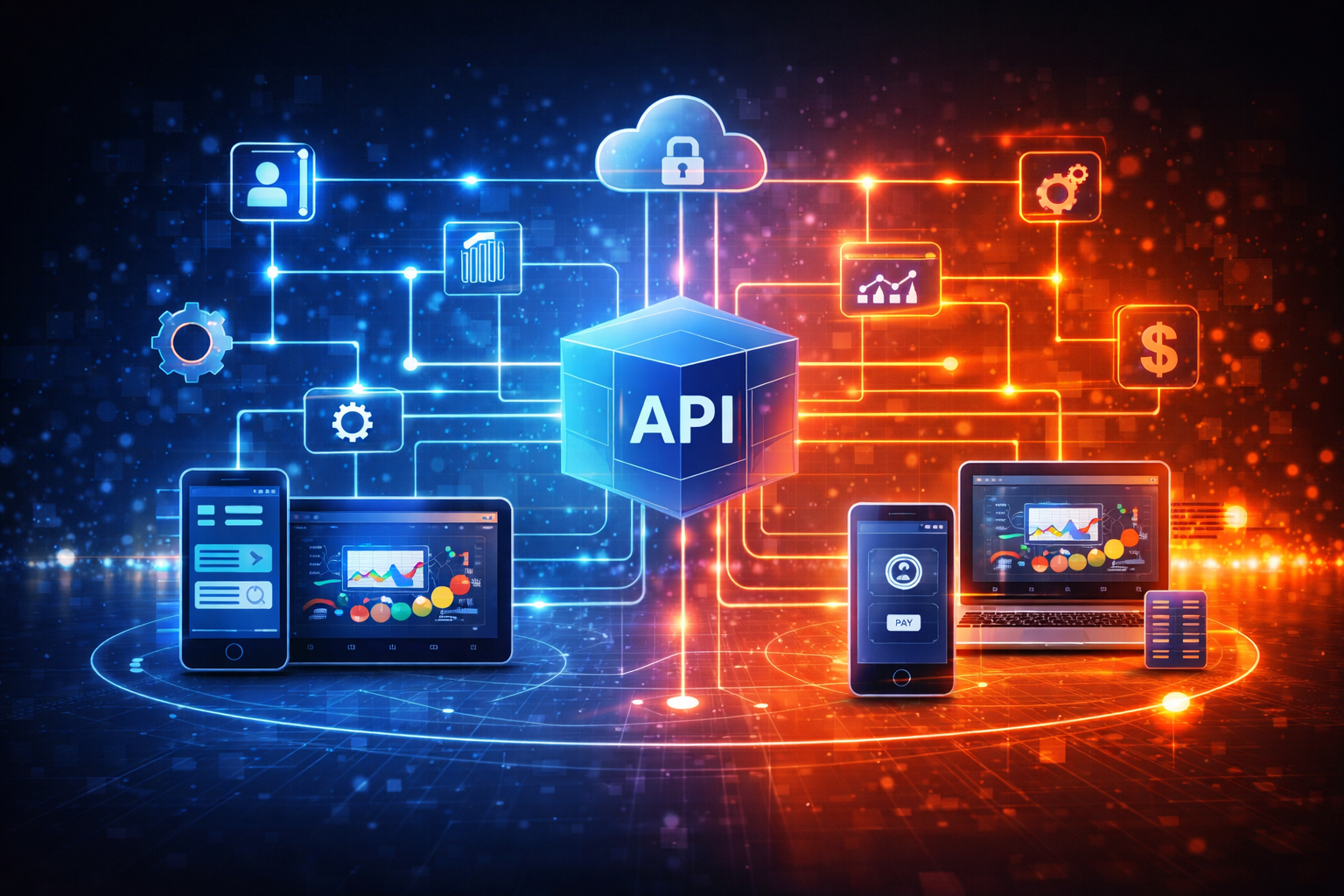
adminIn today’s interconnected digital ecosystem, platforms rarely operate in isolation. Instead, they rely on multiple services working together seamlessly to deliver complete user experiences. API (Application Programming Interface) integration has become the backbone of this connectivity, enabling different systems to communicate, exchange data, and function as a unified platform.
A well-structured system like MK8 demonstrates how effective API integration can enhance performance, scalability, and user interaction. By connecting various services efficiently, platforms can provide a smooth and responsive experience across all functionalities.
🔗 What Is API Integration?
API integration is the process of connecting different software systems through APIs, allowing them to share data and functionality. Instead of building every feature from scratch, platforms can leverage external services to expand capabilities.
For example, APIs can be used for:
- Payment processing systems
- User authentication services
- Data analytics tools
- Third-party content integration
This approach reduces development time and improves overall system flexibility.
⚙️ Types of API Integration
There are several types of API integrations commonly used in modern platforms:
1. REST APIs
REST (Representational State Transfer) APIs are widely used due to their simplicity and scalability. They use standard HTTP methods such as GET, POST, PUT, and DELETE.
2. GraphQL APIs
GraphQL allows clients to request only the data they need, improving efficiency and reducing unnecessary data transfer.
3. Webhook Integration
Webhooks enable real-time communication between systems by sending automatic updates when specific events occur.
4. Third-Party APIs
Platforms often integrate external services such as payment gateways, messaging systems, and analytics tools to enhance functionality.
🚀 Benefits of API Integration
API integration offers several advantages that make it essential for modern platforms:
🔄 Seamless Connectivity
Different services can communicate effortlessly, creating a unified system.
⚡ Faster Development
Developers can reuse existing services instead of building everything from scratch.
📈 Scalability
Platforms can easily add new features by integrating additional APIs.
🎯 Enhanced User Experience
Users benefit from smoother interactions and more comprehensive services.
🔐 Security in API Integration
Security is a critical aspect of API integration. Since APIs act as gateways between systems, they must be protected against unauthorized access and data breaches.
Common security measures include:
- API authentication using tokens or keys
- Rate limiting to prevent abuse
- Data encryption during transmission
- Monitoring and logging API activity
Implementing strong security protocols ensures that data remains protected while maintaining system performance.
⚡ Performance Optimization in API Systems
Efficient API integration is essential for maintaining high performance. Poorly designed APIs can lead to slow response times and system bottlenecks.
Optimization techniques include:
- Caching API responses
- Reducing unnecessary requests
- Using asynchronous processing
- Implementing efficient data formats such as JSON
These strategies help ensure that API interactions remain fast and reliable.
🔄 Managing API Complexity
As platforms grow, managing multiple APIs can become complex. Without proper organization, systems may become difficult to maintain and scale.
To address this, developers use:
- API gateways to centralize management
- Microservices architecture to separate functionalities
- Documentation tools for clarity and consistency
Proper API management ensures long-term system stability and scalability.
☁️ Cloud and API Integration
Cloud computing has significantly enhanced API integration capabilities. Cloud platforms provide scalable environments where APIs can be deployed, managed, and monitored efficiently.
Benefits of cloud-based API integration include:
- Automatic scaling
- High availability
- Centralized management
- Improved performance
This combination allows platforms to handle large volumes of API requests without compromising stability.
🔮 Future Trends in API Integration
API technology continues to evolve, with new trends shaping the future of digital platforms:
- API-first development strategies
- Serverless API architectures
- AI-powered API management
- Increased adoption of GraphQL
These advancements are making API integration more efficient, flexible, and powerful.
🎯 Conclusion
API integration is a fundamental component of modern multi-service platforms. By enabling seamless communication between systems, APIs allow platforms to expand functionality, improve performance, and enhance user experience.
As digital ecosystems become more complex, effective API strategies will be essential for maintaining scalability and competitiveness. Platforms that invest in robust API integration will be better equipped to adapt and grow in an ever-changing technological landscape.